Local guidance on communities, amenities, schools, flood considerations, commute patterns, and homes for sale across Tampa Bay.
Start Your Property Search
Tampa Bay includes urban districts, established suburbs, master-planned communities, golf neighborhoods, and waterfront areas. The right choice depends on the tradeoffs that matter to you: housing type and budget, flood and insurance considerations, HOA or CDD obligations, school assignment, commute patterns, and access to parks, shopping, medical care, and recreation.
Use these neighborhood guides as a starting point, then verify property-specific details before deciding. Tony Gonzalez can help compare current listings, recent sales, ownership costs, and local conditions across Tampa Bay.
A neighborhood guide can narrow the search, but important details vary by address and can change. Before making an offer, compare the home, ownership costs, location, and community rules together.
Verify these items for every property you are considering:
Tony can help organize the property-specific questions and identify the records or qualified professionals needed for further review.
No single neighborhood is the best choice for every buyer. The summaries below highlight common housing patterns and location considerations, while the detailed neighborhood pages provide deeper guidance. Prices, school assignments, insurance costs, commute conditions, and community rules should always be verified for the specific property.
South Tampa includes a mix of established residential areas, condominium communities, and historic districts near Bayshore Boulevard and central Tampa. Hyde Park is known for older homes, tree-lined streets, and a walkable commercial district, while nearby areas offer a range of housing styles and lot sizes.
Buyers should evaluate each address for flood and evacuation zones, insurance costs, school assignment, renovation permits, and any historic-district or association requirements. Access and travel times also vary considerably across South Tampa.
New Tampa is a broad area centered around the Bruce B. Downs Boulevard corridor, with planned communities, single-family homes, townhomes, and condominiums. Parks, preserves, shopping, medical facilities, and community amenities are located throughout the area.
HOA and CDD obligations, gates, club access, school assignments, and traffic patterns vary by community and address. Review the New Tampa neighborhood guide for current listings and additional buyer considerations.
Carrollwood is an established North Tampa area with neighborhoods of different ages, lakes, parks, golf, local businesses, and access to major roads. Housing ranges from condominiums and townhomes to single-family properties on a variety of lot types.
Community associations, flood considerations, school assignments, and ownership costs depend on the specific property. Explore the Carrollwood Village guide for listings, parks, amenities, and association-related questions.
Westchase is a master-planned community in northwest Hillsborough County with multiple villages, housing styles, community facilities, trails, parks, and nearby commercial areas. Individual properties may be subject to HOA rules, CDD assessments, or additional association obligations.
Buyers should confirm current fees, amenity access, architectural standards, insurance estimates, school assignment, and travel conditions for the exact address. Association documents and budgets should be reviewed before purchase.
Seminole Heights is known for older homes, bungalow architecture, established streets, and independent businesses along several commercial corridors. Housing condition and renovation quality can vary significantly from one property to another.
Buyers should review permits, roof and system ages, flood and insurance information, zoning, and any historic-district requirements that apply to the address. Recent comparable sales should be chosen carefully because lot, condition, and location can materially affect value.
Harbour Island and Davis Islands are separate communities near downtown Tampa with different housing patterns. Harbour Island includes condominium, townhome, and single-family options within managed communities. Davis Islands includes single-family homes, condominiums, local businesses, and waterfront properties.
For either area, verify flood and evacuation zones, insurance estimates, association obligations, parking, and property-specific access. Waterfront buyers should also review seawalls, docks, permits, water depth, and navigation constraints where applicable.
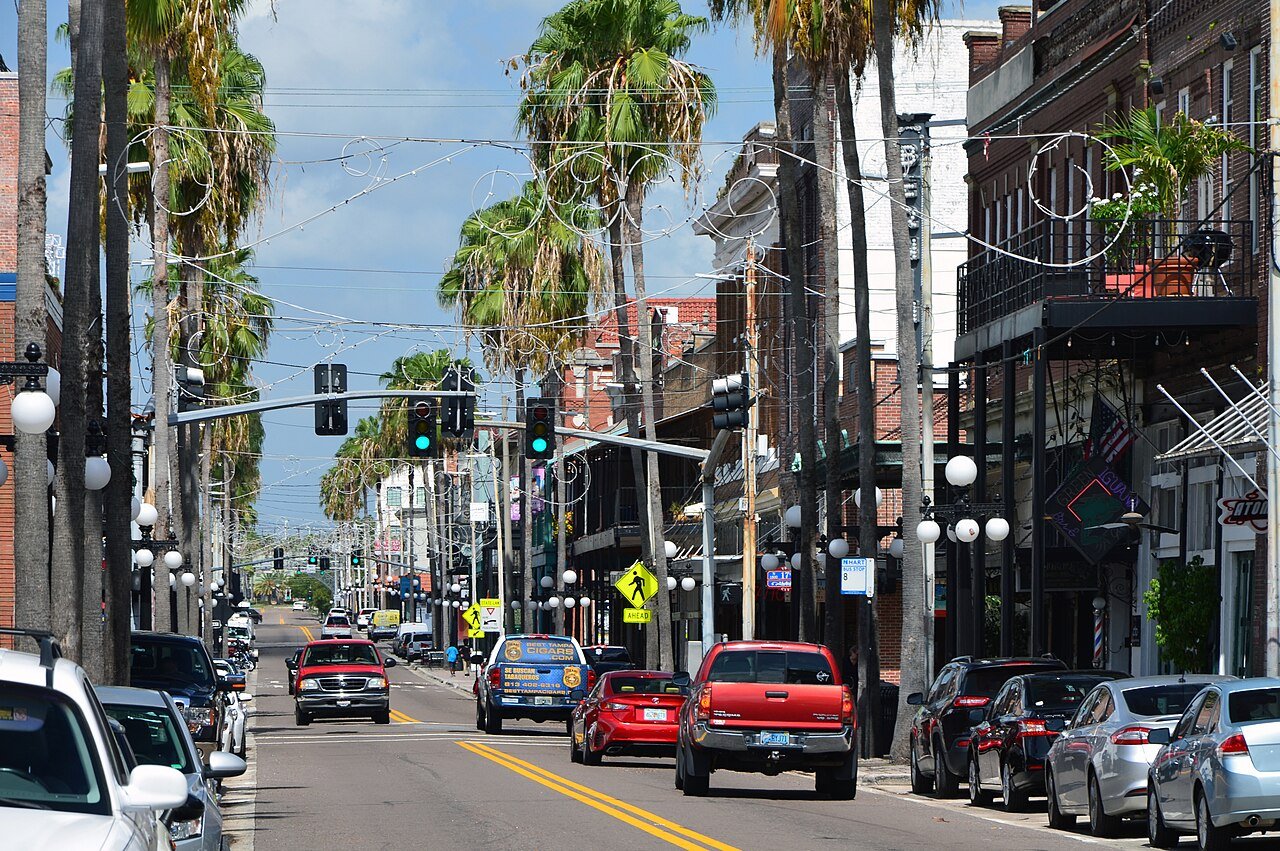
Ybor City is Tampa’s historic district, recognized for its brick streets, historic buildings, cultural institutions, entertainment venues, and mixed-use character. Residential options include condominiums, townhomes, apartments, and homes in surrounding areas.
Buyers should consider historic-review requirements, zoning, parking, building condition, association finances, insurance, and the activity level around the specific block. Property use and redevelopment potential should be confirmed with the applicable public agencies before purchase.
Ybor City: 7th Avenue (2016) — Gzzz, CC BY-SA 4.0.
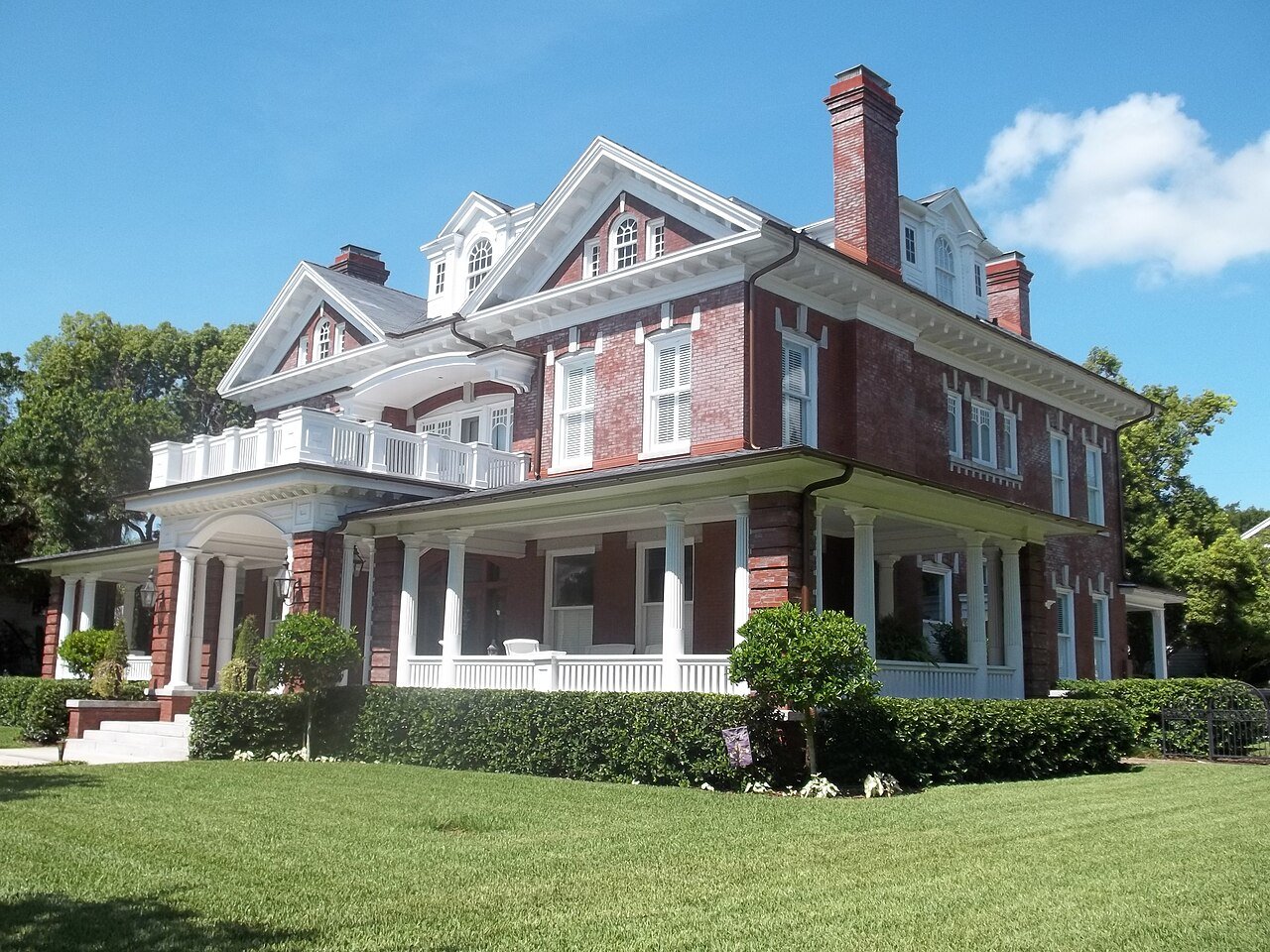
South Tampa / Hyde Park: Historic district home (2011) — Ebyabe, CC BY-SA 3.0.
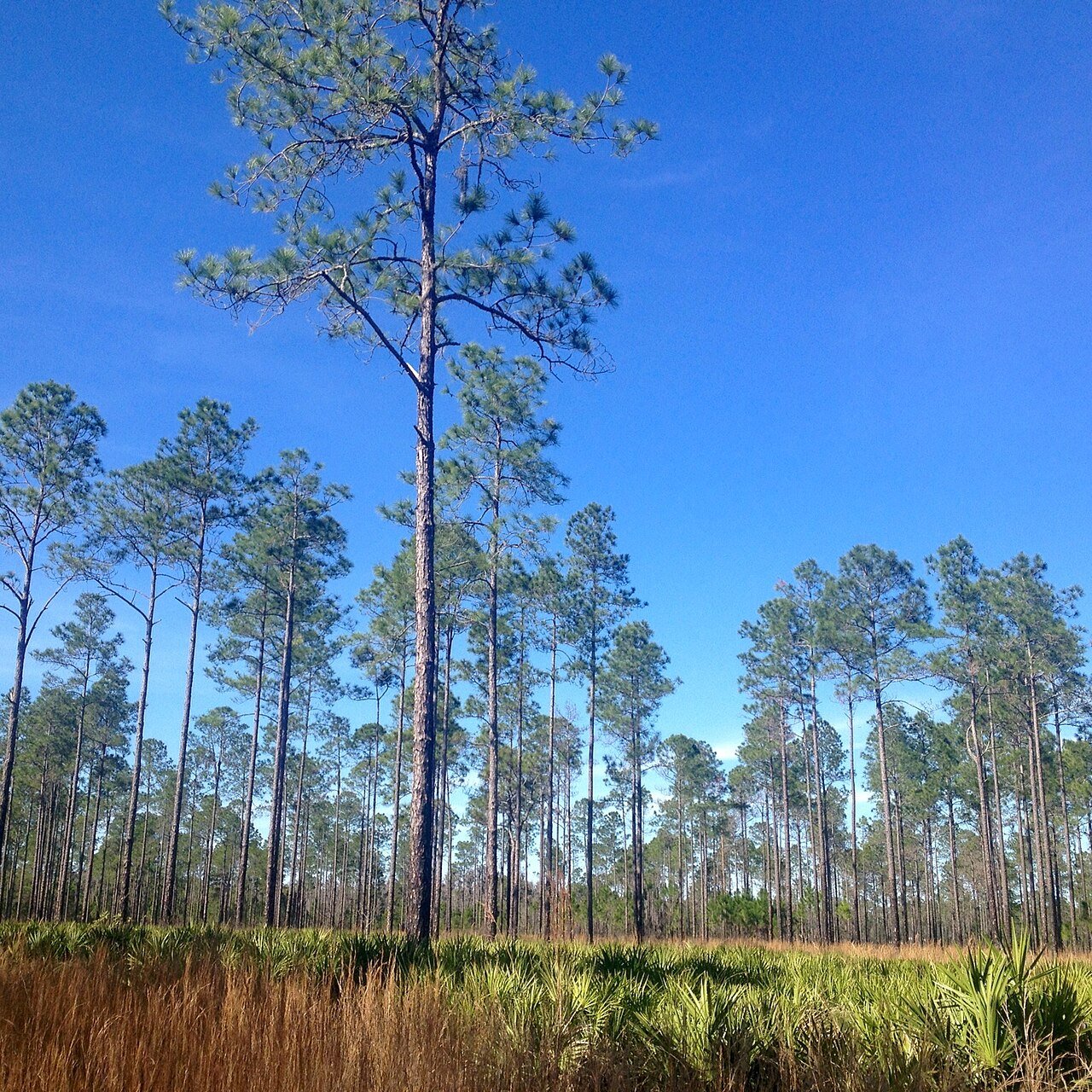
New Tampa: Flatwoods Park, a nearby recreation amenity (2015) — Slapp9, CC BY-SA 4.0.
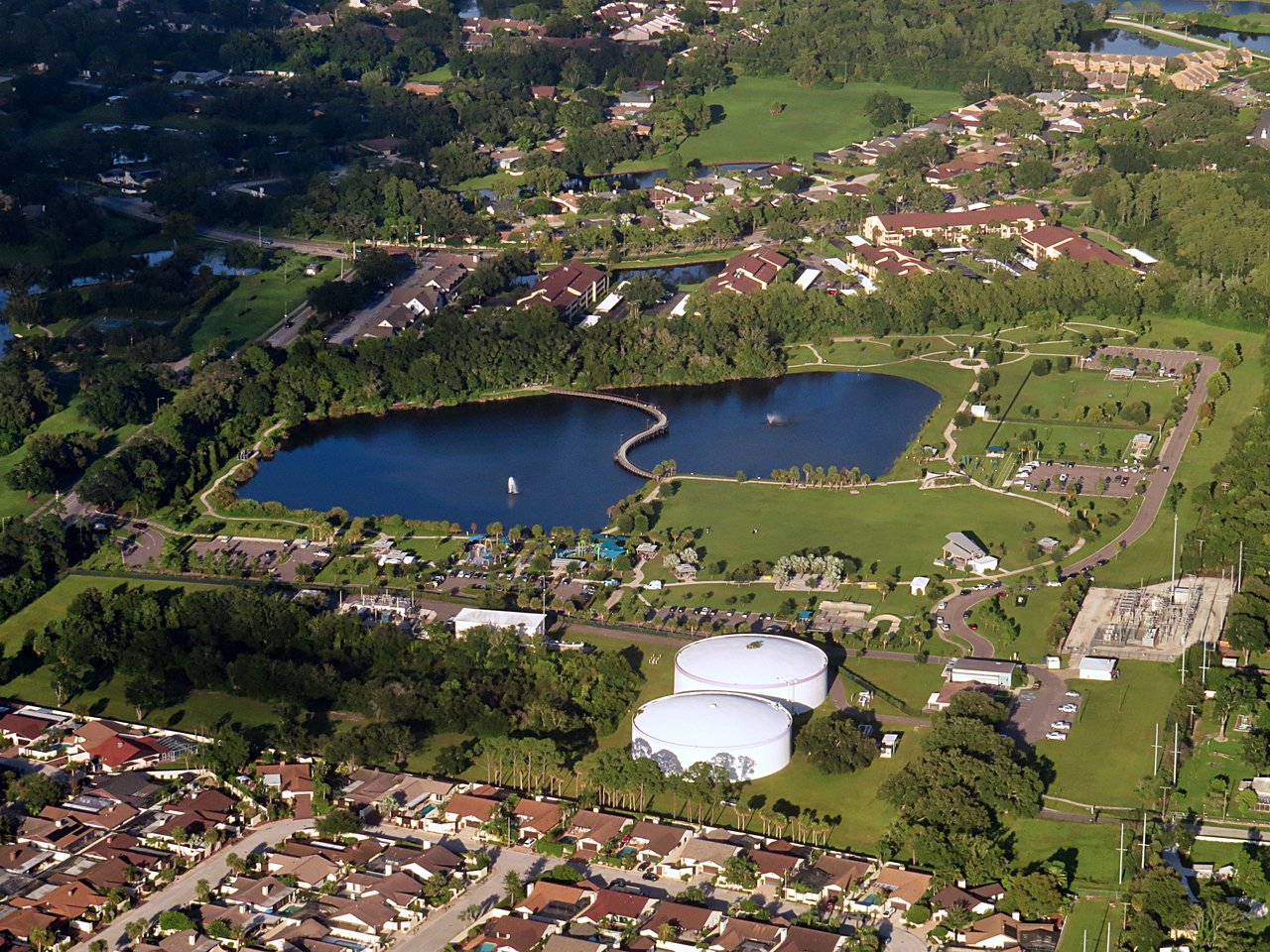
Carrollwood: Carrollwood Village Park (2026) — Kimberli Mäkäräinen, CC BY-SA 4.0.
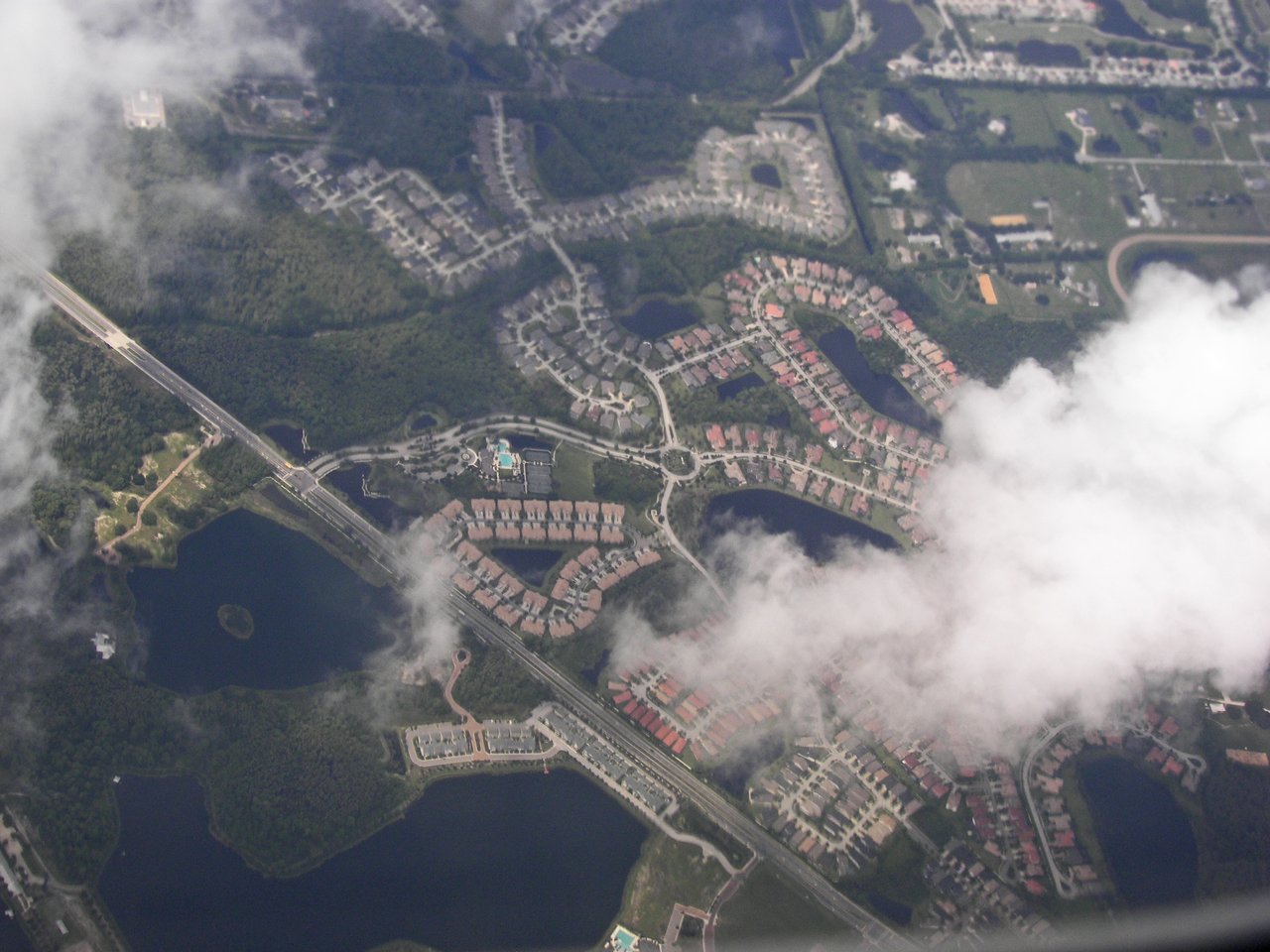
Westchase: Neighborhood aerial (2009) — Wknight94, CC BY-SA 3.0.
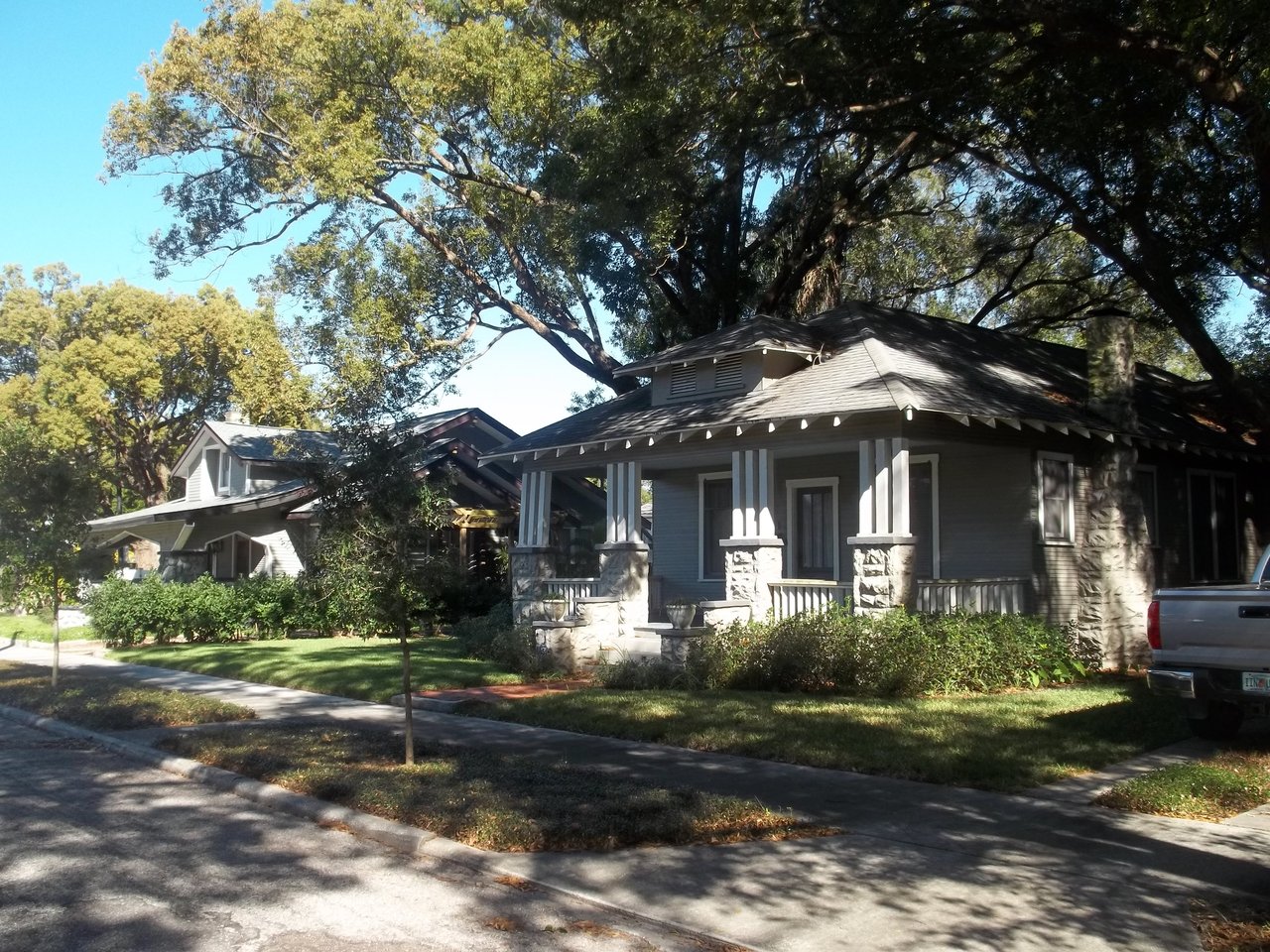
Seminole Heights: Historic district homes (2020) — Ebyabe, CC BY-SA 4.0.
Harbour Island / Davis Islands: Davis Island Yacht Club (2020) — Eric Statzer, CC BY-SA 4.0.
Photos resized and displayed with layout cropping. Any adaptations are shared under the respective photo licenses.
Online neighborhood summaries are useful for orientation, but they cannot replace research on the exact property. Tony Gonzalez helps buyers compare listings and organize the questions that matter before making a decision.
Support can include:
Browse current Tampa Bay listings, or contact Tony Gonzalez to discuss your search criteria, ownership-cost questions, and the neighborhoods you want to compare.
Start with the factors that affect everyday ownership: housing type, budget, flood and insurance considerations, HOA or CDD obligations, school assignment, commute patterns, and access to daily services. Then verify those details for each specific address, because conditions can vary within the same neighborhood.
Public-school assignments and program availability can change. Use the applicable school district’s official address lookup, confirm the current assignment directly with the district, and review transportation, enrollment, and program information. A neighborhood name alone does not guarantee assignment to a particular school.
Compare more than the asking price. Include property taxes, homeowners and flood insurance, HOA or CDD fees, utilities, maintenance, and likely repairs. A lender can help establish a financing range, while inspections and current quotes provide property-specific cost information.
Review the exact property’s HOA and CDD obligations, fees, budgets, restrictions, and amenity-access terms. Buyers should also confirm school assignment, insurance estimates, commuting conditions, parking rules, and any village-specific maintenance responsibilities.
South Tampa includes many distinct neighborhoods and property types. Verify flood and evacuation zones, insurance costs, school assignment, parking, permits, renovation history, and any historic-district or association requirements for the exact address.
Consider the specific block, building condition, parking, zoning, historic-review requirements, association finances, insurance, and nearby commercial or entertainment activity. Confirm intended property use and redevelopment plans with the appropriate public agencies.
Tony helps define search criteria, filter current listings, compare recent sales and ownership costs, identify property-specific questions, and coordinate due diligence with lenders, inspectors, insurance professionals, and other qualified specialists.